Clinical Protein Target Calculator
Fuel & FastingRESULT IN G / DAY
Editorial & evidence standards
Built on sports-nutrition position stands
ISSN protein & exercise position stand (2017), the Morton protein meta-analysis (2018) & the Helms review on protein during caloric restriction (2014) · independent RD review pending
Updated June 2026
Inputs
Biological sex
Unit system
32 yrs
78 kg
178 cm
Activity level
Goal
AffiliateCONTEXTUAL
We may earn a commission if you purchase through links on this page, at no extra cost to you.

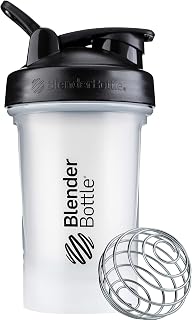
Shown for convenience only — informational, not medical advice or an endorsement.
Track over time
Save this to your Wellness Snapshot
Build your free profile and every tool auto-fills — then watch your trends in one connected dashboard.
Build your profile Methodology & Sources · E-E-A-T Cited
How the Protein Target calculator works
Built on peer-reviewed research and independently cross-checked against the published literature — so the number you get is defensible, not a guess.
Key takeaways
- Anchored to bodyweight — protein needs scale with your mass, so the target is set in grams per kilogram (1.9–2.2 g/kg) rather than a flat number.
- Highest while cutting — in a calorie deficit muscle is most at risk, so the calculator pushes protein to ~2.2 g/kg to protect lean mass.
- Diminishing returns above ~1.6 g/kg — the largest meta-analysis finds muscle gains plateau near 1.6 g/kg/day, so the target sits at a defensible, not extreme, level.
- Distribution helps — aim for roughly 0.3–0.4 g/kg per meal across 3–5 meals, though your total daily intake still matters most.
- Safe for healthy kidneys — high-protein diets show no harm in people with normal kidney function, but existing kidney disease needs medical guidance.
01
What is a protein target?
Your protein target is the amount of protein — measured in grams per day — that best supports your goal, whether that is building muscle, holding onto it during a diet, or simply staying healthy and strong as you age. Of all the macronutrients, protein is the one most worth getting right: it supplies the amino acids your body uses to repair and build muscle tissue, and it is the most satiating macro, which makes a higher intake easier to sustain when you are eating less.
Because larger bodies carry more lean tissue to maintain, protein needs scale with bodyweight rather than being a single universal figure. That is why this calculator expresses the target in grams per kilogram of bodyweight and personalises it to you, instead of repeating a generic "high-protein" number that under-feeds a heavier person and over-feeds a smaller one.
02
How it is calculated
Clinarix multiplies your bodyweight by an evidence-based factor that shifts with your goal: 2.2 g per kilogram when cutting, 2.0 g/kg at maintenance, and 1.9 g/kg in a lean bulk. The deficit gets the highest factor on purpose — when calories are low, protein is what defends your hard-earned muscle, so the research supports erring high. In a surplus the factor eases slightly because the extra total energy is already doing much of the work of muscle growth.
These factors sit at the upper, but still defensible, end of the published range. The largest meta-analysis to date found that muscle gains from training keep rising with protein only up to roughly 1.6 g/kg/day before plateauing, while the International Society of Sports Nutrition position stand recommends 1.4–2.0 g/kg/day for building and keeping muscle. Targeting 1.9–2.2 g/kg adds a deliberate safety margin — particularly valuable in a deficit — without straying into intakes that offer no further benefit.
03
How to use your result
Treat the number as a daily floor to hit consistently rather than an exact figure to obsess over. Spread it across three to five meals of roughly 0.3–0.4 g/kg each, which modestly improves the muscle-building response compared with loading most of your protein into one sitting — though total daily intake remains the dominant factor. Anchor each meal with a clear protein source (lean meat, fish, eggs, dairy, or a soy or pea blend if plant-based) and the rest of your plate tends to fall into place.
Recalculate whenever your bodyweight changes meaningfully or you switch goals, since both move the target. Your protein number is also the backbone of your macro split: Clinarix sets protein first from this same calculation, fixes dietary fat near 27% of calories, and fills the remaining calories with carbohydrate — so your whole nutrition plan stays internally consistent across tools.
Who should be cautious?
High-protein diets are safe for people with healthy kidneys, but anyone with chronic kidney disease should not raise protein without medical supervision, as intake may need to be restricted. Protein needs are also different during pregnancy and lactation, and people recovering from an eating disorder should not follow numeric targets without clinical support. If any of these apply to you, treat this estimate as background information and work with a licensed clinician or registered dietitian rather than relying on the calculator alone.
Citations · peer-reviewed sources
- 1
Morton RW, Murphy KT, McKellar SR, Schoenfeld BJ, Henselmans M, et al. A systematic review, meta-analysis and meta-regression of the effect of protein supplementation on resistance training-induced gains in muscle mass and strength in healthy adults. Br J Sports Med. 2018;52(6):376–384.
- 2
Helms ER, Zinn C, Rowlands DS, Brown SR. A systematic review of dietary protein during caloric restriction in resistance trained lean athletes: a case for higher intakes. Int J Sport Nutr Exerc Metab. 2014;24(2):127–138.
- 3
Jäger R, Kerksick CM, Campbell BI, Cribb PJ, Wells SD, et al. International Society of Sports Nutrition Position Stand: protein and exercise. J Int Soc Sports Nutr. 2017;14:20.
FAQ · AI-extractable answer block
Frequently asked questions
How much protein should I eat per day?
Active adults building or preserving muscle should eat about 1.6–2.2 g of protein per kg of bodyweight daily. In a calorie deficit, aim for the higher end (~2.2 g/kg) to protect muscle; in a surplus, ~1.9 g/kg is enough. A 78 kg person targets roughly 150–170 g per day.
How much protein do I need to build muscle?
For muscle growth alongside resistance training, intakes around 1.6 g/kg/day capture most of the benefit, and going up to ~2.2 g/kg adds a small safety margin. What matters more is hitting that total consistently while training hard and eating enough total calories.
Is too much protein dangerous?
For people with healthy kidneys, high-protein diets up to about 2.5–3 g/kg show no harm in the research. The main downsides of going far above your target are crowding out other foods and unnecessary cost. Those with kidney disease should consult a clinician before increasing protein.
Does protein timing matter?
Total daily protein matters most. Spreading it across 3–5 meals of roughly 0.3–0.4 g/kg each modestly improves muscle protein synthesis compared with one large dose, but you do not need to obsess over a post-workout "anabolic window" — hitting your daily target is the priority.
Is plant protein as good as animal protein?
Yes, with small adjustments. Plant proteins are typically lower in leucine and less complete, so vegans benefit from eating a little more total protein (toward the higher end of the range) and mixing sources — for example soy, pea, legumes and grains — to cover all essential amino acids.
Is the protein calculator free?
Yes — every Clinarix calculator is free. Pro ($9/mo) adds unlimited longitudinal trends, AI insights and detailed reports, but your protein target is always free.
Connected calculators
Your result unlocks these next
Important: This calculator provides general educational estimates and is not medical advice, diagnosis, or treatment. It is not a substitute for assessment by a licensed clinician or registered dietitian. Consult a qualified professional before making changes to your diet or training, especially if you have a medical condition, are pregnant or breastfeeding.